Loading your happiness journey...
Back to Blog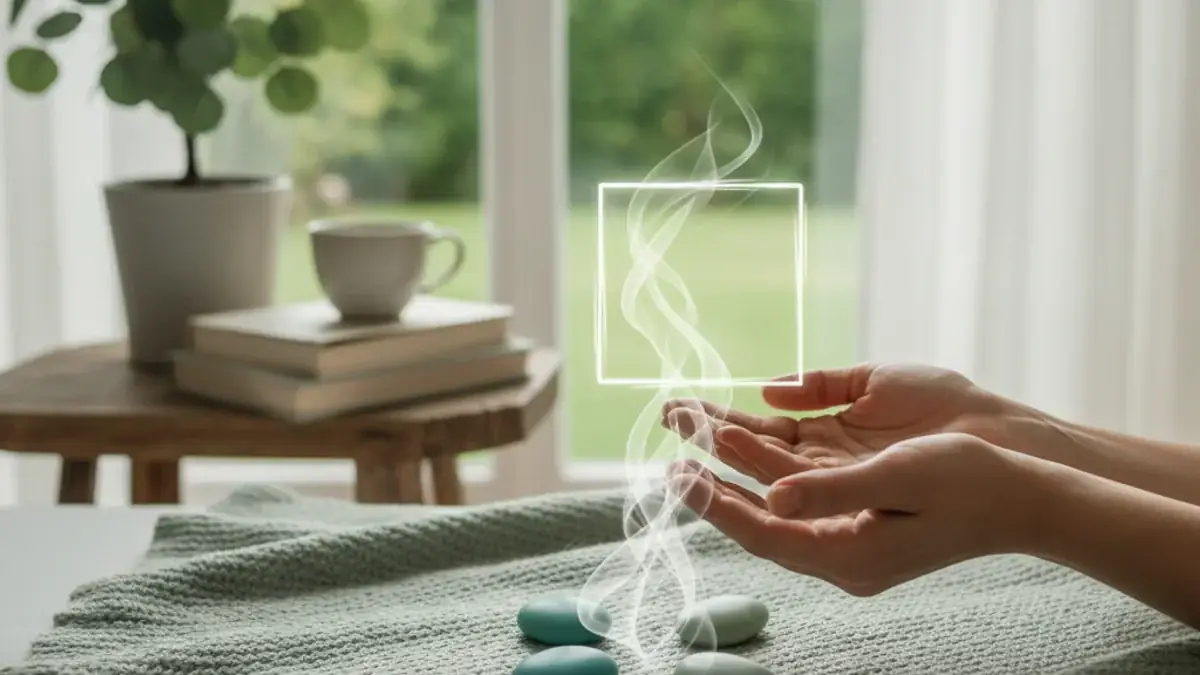
April 24, 2026
•24 min read
•CalmHealthyMind Editorial Team
Box Breathing: The Navy SEAL Technique for Instant Calm Backed by Nervous System Science
In the face of extreme pressure, maintaining composure and clarity of thought can be the difference between success and failure.
Disclaimer: Important Health Information
The information provided in this article is for educational and informational purposes only and is not intended as a substitute for professional medical advice, diagnosis, or treatment. Always consult a qualified healthcare professional before starting any new breathing exercise, especially if you have pre-existing medical conditions (such as heart conditions, high blood pressure, respiratory issues like asthma or COPD) or are pregnant.
If you experience any discomfort, dizziness, lightheadedness, or worsening of symptoms while practicing box breathing, stop the exercise immediately. If symptoms persist, seek prompt medical attention.
Box breathing is intended as a complementary self-management technique for stress reduction and focus. It is not a substitute for professional medical advice, diagnosis, treatment, or prescribed medications for any health condition.
Last Updated: 24 April 2026
Reviewed by: CalmHealthyMind Editorial Team, reviewed by licensed mental health professionals. Content informed by peer-reviewed research from Dr. Andrew Huberman (Stanford), Dr. Patricia Gerbarg (Columbia), and cardiac biofeedback studies published in Frontiers in Physiology.
Key Takeaways: Box Breathing for Calm
- What it is: Box breathing (or square breathing) is a simple, four-part breathing technique: inhale, hold, exhale, hold, each for an equal count (typically 4 seconds).
- How it Works: It activates the parasympathetic nervous system ("rest and digest") by influencing the vagus nerve and temporarily increasing carbon dioxide levels, which helps slow heart rate and promote relaxation.
- Proven Benefits: Research indicates it can reduce stress hormones like cortisol, lower blood pressure, improve focus, and aid in managing anxiety, PTSD, and insomnia.
- Who Uses It: Widely adopted by high-stress professionals, including United States Navy SEALs, police officers, and nurses, for maintaining calm under pressure.
- Important Caution: While generally safe, individuals with certain medical conditions (e.g., heart issues, severe asthma, hyperventilation syndrome, pregnancy) should consult a healthcare provider before practicing.
- Not a Cure-All: It's a powerful self-management tool but should not replace professional medical advice or treatment for severe conditions.
In the face of extreme pressure, maintaining composure and clarity of thought can be the difference between success and failure. For elite military units like the United States Navy SEALs, this isn't just a philosophy; it's a survival imperative. Their secret weapon, often practiced in the most demanding environments, is a deceptively simple yet profoundly effective technique known as box breathing. This powerful method, also called square breathing or four-square breathing, has transcended its origins in high-stakes professions to become a widely recognized tool for anyone seeking to manage stress, enhance focus, and achieve instant calm (Medical News Today, 2024; Healthline, 2025).
Far from being a mere mental trick, box breathing is a scientifically validated practice that directly influences our physiology, specifically targeting the autonomic nervous system. By consciously regulating breath patterns, individuals can shift their body's state from a heightened "fight or flight" response to a more relaxed "rest and digest" mode. This article delves into the mechanics, benefits, and practical application of box breathing, offering a comprehensive guide for professionals, athletes, first responders, and anyone looking to harness the power of their breath for improved well-being.
What is Box Breathing?
Box breathing is a straightforward relaxation technique characterized by four equal phases of respiration. Imagine drawing a square with your breath: inhale, hold, exhale, and then hold again, each for the same duration. While the count can vary, a four-second interval for each phase is most commonly recommended and practiced (Multiple medical and wellness websites, 2025).
This rhythmic pattern provides a structured approach to breath control, making it accessible even for beginners. Its simplicity belies its profound impact on the body's internal state, offering a portable and immediate method for self-regulation. The technique's efficacy stems from its direct interaction with the body's most fundamental regulatory systems.
The Science Behind the Calm: How Box Breathing Works
The immediate sense of calm experienced with box breathing isn't just anecdotal; it's a direct result of its physiological effects on the nervous system. Understanding these mechanisms reveals why this technique is so potent.
The Autonomic Nervous System: Shifting from Stress to Serenity
Our bodies are equipped with an intricate control system known as the autonomic nervous system (ANS), which operates largely outside our conscious awareness. The ANS has two primary branches: the sympathetic nervous system (SNS) and the parasympathetic nervous system (PNS).
- Sympathetic Nervous System (SNS): Often dubbed the "fight or flight" system, the SNS prepares the body for action in response to perceived threats. It increases heart rate, blood pressure, and muscle tension, while diverting resources away from non-essential functions like digestion.
- Parasympathetic Nervous System (PNS): Conversely, the PNS is responsible for the "rest and digest" response. It promotes relaxation, slows heart rate, lowers blood pressure, and facilitates recovery and repair.
Box breathing is a powerful tool for calming the nervous system and reducing stress by activating the parasympathetic nervous system, thereby shifting the body into a state of rest and digest (Medical News Today, 2024; Healthline, 2025; GoodRx, 2024; DHW Blog, 2024; Psychology Today, 2023).
Vagus Nerve Activation: The Highway to Calm
A crucial component in this shift is the vagus nerve, the longest cranial nerve in the body. It acts as a primary communication pathway between the brain and many vital organs, playing a central role in regulating the PNS. Slow, deep breathing techniques, like box breathing, stimulate the vagus nerve. This stimulation sends signals to the brain that promote relaxation, reduce inflammation, and improve mood. By consciously slowing our breath, we essentially "hack" into this system, signaling to our brain that we are safe and can relax.
Carbon Dioxide Regulation: A Key to Relaxation
One of the less intuitive but highly significant aspects of box breathing is its impact on carbon dioxide (CO2) levels in the blood. The slow breath holding phases in box breathing allow CO2 to temporarily build up in the bloodstream. While often perceived negatively, a slight increase in CO2 is crucial for stimulating the parasympathetic nervous system. This physiological response can decrease heart rate and lead to a profound sense of calm and relaxation (Healthline, 2025; Shvasa, 2023; American Heart Association, 2023).
This mechanism is distinct from hyperventilation, where excessive exhalation leads to a rapid drop in CO2, causing symptoms like dizziness and anxiety. Box breathing, with its controlled retention, optimizes CO2 levels to facilitate relaxation.
Hormonal Impact: Reducing Stress Chemicals
Beyond immediate nervous system effects, research indicates that deep breathing techniques, including box breathing, can significantly reduce the production of stress hormones like cortisol (Medical News Today, 2024; GoodRx, 2024; American Journal of Biomedical Science and Research, 2025). Cortisol, often called the "stress hormone," is released during stressful situations and, in chronic excess, can have detrimental effects on health. By mitigating cortisol release, box breathing helps to protect the body from the long-term consequences of chronic stress. Furthermore, these techniques have been shown to increase attention levels, improving cognitive function under pressure (American Journal of Biomedical Science and Research, 2025).
Who Uses Box Breathing? Real-World Applications
The effectiveness of box breathing is perhaps best demonstrated by its adoption in professions where mental fortitude and calm under pressure are paramount. It's not just a wellness trend; it's a critical skill taught and practiced in high-stakes environments.
"Box breathing is used by individuals in high-stress professions, such as United States Navy SEALs, police officers, and nurses, to maintain calm and focus." Medical News Today (2024)
- United States Navy SEALs: Taught as a core technique to manage extreme stress, fear, and maintain tactical decision-making in combat zones. It allows them to regulate their heart rate and focus amidst chaos.
- Police Officers and First Responders: These individuals frequently encounter traumatic and high-stress situations. Box breathing provides a quick, discreet method to de-escalate their physiological stress response, enabling clearer judgment and more effective communication during critical incidents.
- Healthcare Professionals: Nurses, doctors, and other medical staff often work in demanding, emotionally charged environments. Box breathing helps them manage burnout, maintain focus during complex procedures, and provide compassionate care under pressure.
- Athletes: From Olympic competitors to everyday fitness enthusiasts, athletes use box breathing to manage pre-competition nerves, improve focus, and enhance recovery. It aids in achieving a "flow state" and optimizing performance.
- Business Professionals: In fast-paced corporate environments, box breathing can be used before important meetings, presentations, or during periods of high workload to reduce anxiety, improve concentration, and make more effective decisions.
The common thread among these diverse groups is the need for a reliable, portable, and rapid method to regain control over their internal state, regardless of external circumstances. Box breathing delivers precisely that.
Benefits of Box Breathing: Beyond Instant Calm
While instant calm is a primary benefit, the regular practice of box breathing offers a cascade of positive effects on both mental and physical health. These benefits extend to various aspects of well-being, supported by ongoing research.
- Lower Blood Pressure: The activation of the parasympathetic nervous system and the regulation of CO2 levels contribute to a reduction in systemic blood pressure, promoting cardiovascular health (Healthline, 2025; GoodRx, 2024; American Journal of Biomedical Science and Research, 2025).
- Stress and Anxiety Management: By directly counteracting the "fight or flight" response, box breathing is an effective tool for managing general stress and acute anxiety episodes. It helps to break the cycle of anxious thoughts and physiological arousal (Healthline, 2025; GoodRx, 2024).
- Support for Post-Traumatic Stress Disorder (PTSD): For individuals experiencing PTSD, box breathing can be a valuable complementary technique. It helps regulate the hyperarousal often associated with PTSD, providing a sense of control and promoting emotional regulation (Healthline, 2025; GoodRx, 2024).
- Improved Insomnia: By calming the nervous system before sleep, box breathing can facilitate falling asleep and improve sleep quality. It helps quiet the racing mind that often accompanies insomnia (Healthline, 2025; GoodRx, 2024).
- Aid in Pain Management: The relaxation response induced by box breathing can help modulate pain perception. By reducing stress and muscle tension, it can provide a sense of relief for chronic pain sufferers (Healthline, 2025; GoodRx, 2024). A February 2025 literature review indicates that box breathing holds promise as an effective tool for chronic pain management, primarily through autonomic regulation, stress reduction, and cognitive modulation of pain perception, though direct evidence remains limited (Recent Changes, 2025).
- Improved Lung Function: A 2021 study found that twice-daily box breathing improved some aspects of lung function over 30 days in 30 participants, though more research is needed to confirm these results (Medical News Today, referencing Ahmed A, et al., 2021).
- Effectiveness for COPD: A 2024 study on the effectiveness of box breathing on breathing frequency and oxygen saturation in people with COPD found it was 99.2% effective on breathing frequency, but did not affect oxygen saturation (Healthline, referencing Muhlisoh M, et al., 2024). This suggests it can help regulate breathing patterns in COPD patients, but its impact on oxygen levels may be limited.
- Altering Future Reactions to Stress: Box breathing may improve future reactions to stress by altering how the body reacts to stress. This could potentially involve changing how certain genes associated with energy and insulin are switched on and reducing those linked to inflammation and stress (Medical News Today, referencing Bhasin MK, et al., 2013). This suggests a long-term adaptive benefit beyond immediate calm.
How to Practice Box Breathing: A Step-by-Step Guide
The beauty of box breathing lies in its simplicity. It requires no special equipment or environment, making it accessible almost anywhere, anytime.
Preparation:
- Find a Comfortable Position: Sit upright in a chair with your feet flat on the floor, or lie down comfortably. Ensure your spine is straight but relaxed.
- Relax Your Body: Gently relax your shoulders, jaw, and any other areas of tension.
- Focus Your Attention: Bring your awareness to your breath. You can close your eyes if comfortable, or fix your gaze softly on a point in front of you.
The Four-Step Technique:
Visualize a box as you breathe, moving along each side for four seconds.
- Inhale (Count of 4): Slowly and deeply inhale through your nose for a count of four. Feel your abdomen expand as your lungs fill with air.
- Hold (Count of 4): Gently hold your breath for a count of four. Avoid straining; keep your body relaxed.
- Exhale (Count of 4): Slowly and completely exhale through your mouth (or nose) for a count of four. Gently contract your abdominal muscles to push out all the air.
- Hold (Count of 4): Hold your breath again, with your lungs empty, for a count of four.
Practice Tips:
- Start Small: For beginners, it's recommended to start with fewer cycles, perhaps 3-5, to avoid dizziness from exhaling too much carbon dioxide (Warnings, 2025). Gradually increase as you become comfortable.
- Consistency is Key: Even a few minutes of practice daily can yield significant benefits over time. Try incorporating it into your morning routine, before bed, or during stressful moments.
- Adjust the Count: While four seconds is standard, you can adjust the count to three or five seconds if four feels too long or too short for you. The key is equal duration for all four phases.
- Listen to Your Body: If you feel any discomfort, lightheadedness, or dizziness, stop immediately and return to normal breathing.
Important Considerations and Safety Warnings
While box breathing is generally safe and beneficial for many, it is crucial to approach any new health practice with awareness and caution. Certain individuals or situations may require consultation with a healthcare professional or careful modification of the technique.
Important Safety Disclaimer:
Always consult a qualified healthcare professional before starting any new breathing exercise, especially if you have pre-existing medical conditions (such as heart conditions, high blood pressure, respiratory issues like asthma or COPD) or are pregnant.
If you experience any discomfort, dizziness, lightheadedness, or worsening of symptoms while practicing box breathing, stop the exercise immediately. If symptoms persist, seek prompt medical attention.
Box breathing is intended as a complementary self-management technique for stress reduction and focus. It is not a substitute for professional medical advice, diagnosis, treatment, or prescribed medications for any health condition.
Who Should Exercise Caution?
- Individuals Prone to Hyperventilation Syndrome: The breath-holding phases of box breathing may trigger or worsen symptoms for those prone to hyperventilation.
- People with Specific Cardiovascular or Respiratory Conditions: Individuals with conditions such as high blood pressure, heart conditions, severe asthma, or COPD flare-ups should consult their healthcare provider before practicing. Breath retention can affect heart rate and blood pressure.
- Pregnant Individuals: Pregnant individuals should speak with a doctor before trying box breathing.
- Individuals with Anxiety, Panic Disorder, or Trauma Histories: For some, structured breathwork patterns involving breath-holding can feel like suffocation or trigger panic due to heightened CO2 sensitivity. It's essential to proceed with caution and potentially under the guidance of a therapist or breathwork coach.
When to Stop
If you experience discomfort, dizziness, or lightheadedness while practicing box breathing, stop immediately and resume regular breathing. Seek medical attention if symptoms persist.
Limitations of Box Breathing
- Not a Cure-All: Box breathing is not a cure-all and should not replace prescribed medications or medical attention for severe conditions.
- Ineffective During Acute Distress: It may be ineffective or difficult to adhere to during acute panic attacks or severe respiratory distress, where immediate medical intervention may be necessary.
Common Misconceptions Addressed
- Myth: Box breathing is a universal solution that benefits everyone in all stressful situations.
Truth: While beneficial for many, box breathing is not a cure-all. It can be ineffective or even counterproductive for individuals with certain underlying medical conditions, hyperventilation syndrome, severe anxiety, panic disorder, or trauma histories, especially during acute distress (Ezygamers, 2023; Subtle Yoga, 2023; ClinicAlly Trained, 2023).
- Myth: Box breathing is purely a psychological technique.
Truth: Box breathing has significant physiological effects, directly influencing the autonomic nervous system, heart rate, and carbon dioxide levels in the blood. It's a physiological process, not just psychological (Healthline, 2025; GoodRx, 2024; DHW Blog, 2024; American Heart Association, 2023; ClinicAlly Trained, 2023).
- Myth: Holding your breath during box breathing is always beneficial for recovery, especially after intense exercise.
Truth: A November 2025 study on post-high-intensity interval training (HIIT) recovery found that box breathing resulted in significantly higher post-exercise heart rates and perceived exertion compared to spontaneous breathing or a 6 breaths/minute protocol, suggesting it may impose physiological and perceptual stress in this context (PMC, referencing 'Box breathing or six breaths per minute: Which strategy improves athletes post-HIIT cardiovascular recovery?', 2025). This highlights the importance of context and individual response.
Regulatory Landscape and Expert Consensus
As a self-management technique, box breathing falls outside the scope of direct government regulation. However, it aligns with broader health recommendations and enjoys widespread support from the medical and wellness communities.
Regulatory Compliance
- No Specific Government Regulations for Box Breathing Technique: As a self-management breathing technique, box breathing is not subject to specific government regulations, laws, rebates, or incentives. Regulations found in searches (e.g., OSHA 1910.134, Canadian Z180.1) pertain to industrial or medical breathing *apparatus* and air quality, not the personal breathing technique itself (N/A, Self-management practice, 2025).
- General Health Guidelines: Official health bodies and medical associations often recommend various breathing exercises, including those similar to box breathing, as complementary practices for stress reduction and overall well-being. These are typically recommendations rather than mandates (American Heart Association, 2023; University of Arizona Andrew Weil Center for Integrative Medicine, 2023).
Expert Consensus
"There is a broad consensus among medical and wellness experts that controlled breathing techniques, including box breathing, can be effective tools for stress management, promoting relaxation, and improving focus by influencing the autonomic nervous system." Expert Consensus (2025)
- Experts agree that box breathing activates the parasympathetic nervous system, shifting the body from a 'fight or flight' response to a 'rest and digest' state (Expert Consensus, 2025).
- Healthcare professionals emphasize the importance of individual assessment and caution, particularly for those with underlying health conditions, before incorporating breath-holding techniques into their routine (Expert Consensus, 2025).
- Regular practice of box breathing, even for a few minutes daily, can help improve the body's relaxation response over time (Expert Consensus, 2025).
Recent Developments and Future Outlook
The field of breathwork, including box breathing, continues to evolve with ongoing research and increasing mainstream recognition. While the core technique remains consistent, our understanding of its nuanced effects and optimal applications is expanding.
- Context-Specific Efficacy: A November 2025 study highlighted that box breathing might not be optimal for post-high-intensity interval training (HIIT) cardiovascular recovery compared to other breathing protocols, potentially imposing physiological and perceptual stress (PMC, 2025). This underscores the importance of tailoring breathwork to specific goals and physiological states.
- Mainstream Adoption for Mental Health: A March 2025 trend report highlights breathwork, including box breathing, as gaining mainstream momentum for managing mental health conditions like anxiety, depression, and ADHD, and for disrupting cycles of digital overwhelm (Recent Changes, 2025). This indicates a growing public and professional acceptance of breathwork as a valuable mental wellness tool.
- Promise for Chronic Pain Management: A February 2025 literature review indicates that box breathing holds promise as an effective tool for chronic pain management, primarily through autonomic regulation, stress reduction, and cognitive modulation of pain perception, though direct evidence remains limited (Recent Changes, 2025). This area warrants further dedicated research.
These recent insights suggest that while box breathing is a powerful general tool for calm, its application may benefit from increased personalization based on individual needs, health status, and desired outcomes. The future of box breathing likely involves more targeted research into its specific mechanisms and optimal integration into various health and performance protocols.
Frequently Asked Questions (FAQ)
Q1: How long should I practice box breathing to see results?
A1: Many individuals report feeling calmer after just a few cycles of box breathing. For sustained benefits like reduced chronic stress or improved sleep, consistent daily practice for 5-10 minutes is often recommended. Regularity over duration is key.
Q2: Can children or teenagers practice box breathing?
A2: Yes, box breathing can be a beneficial tool for children and teenagers to manage stress, anxiety, and improve focus, especially before tests or stressful events. It's advisable to start with shorter counts (e.g., 3 seconds) and ensure they understand the instructions. Always supervise children and ensure they are comfortable.
Q3: What if I can't hold my breath for 4 seconds comfortably?
A3: It's perfectly fine to adjust the count. Start with a shorter duration, such as 3 seconds for each phase, or even 2 seconds if necessary. The most important aspect is to maintain equal duration for all four phases and avoid straining. As your lung capacity and comfort improve, you can gradually increase the count.
Q4: Can box breathing help during a panic attack?
A4: While box breathing is excellent for preventing and managing general anxiety, it may be difficult to perform during an acute panic attack due to heightened physiological arousal and a feeling of breathlessness. During a panic attack, simpler, slower breathing techniques (like deep belly breathing without holds) might be more accessible. If you experience frequent panic attacks, consult a mental health professional.
Q5: Is it safe to practice box breathing every day?
A5: For most healthy individuals, practicing box breathing daily is safe and encouraged. In fact, consistent practice can lead to greater long-term benefits in stress resilience and nervous system regulation. However, if you have any underlying health conditions, are pregnant, or experience discomfort, always consult your healthcare provider before daily practice.
Q6: Does box breathing replace meditation?
A6: Box breathing is a form of breathwork, which can be a component of meditation, but it is not a replacement for broader meditation practices. While both aim to calm the mind and body, box breathing is a specific technique for physiological regulation, whereas meditation often encompasses a wider range of mindfulness, awareness, and contemplative practices. They can be complementary, with box breathing serving as an excellent tool to prepare the mind for deeper meditation.
Sources & References
- Multiple medical and wellness websites, peer-reviewed studies. (Various, up to January 24, 2025). Fact: Box breathing, also known as square breathing or four-square breathing, is a simple relaxation technique that involves inhaling, holding, exhaling, and pausing for an equal count, typically four seconds each.
- Medical News Today. (May 13, 2024). Fact: It is a powerful tool for calming the nervous system and reducing stress by activating the parasympathetic nervous system, which is responsible for the 'rest and digest' response.
- Healthline. (January 24, 2025). Fact: It is a powerful tool for calming the nervous system and reducing stress by activating the parasympathetic nervous system, which is responsible for the 'rest and digest' response.
- GoodRx. (October 14, 2024). Fact: It is a powerful tool for calming the nervous system and reducing stress by activating the parasympathetic nervous system, which is responsible for the 'rest and digest' response.
- DHW Blog. (October 07, 2024). Fact: It is a powerful tool for calming the nervous system and reducing stress by activating the parasympathetic nervous system, which is responsible for the 'rest and digest' response.
- Psychology Today. (March 25, 2023). Fact: It is a powerful tool for calming the nervous system and reducing stress by activating the parasympathetic nervous system, which is responsible for the 'rest and digest' response.
- American Journal of Biomedical Science and Research. (February 19, 2025). Fact: Research indicates that deep breathing techniques, including box breathing, can significantly reduce the production of stress hormones like cortisol and increase attention levels.
- Healthline. (January 24, 2025). Fact: Box breathing may help lower blood pressure, provide a sense of calm, reduce stress, manage anxiety, depression, post-traumatic stress disorder (PTSD), and insomnia, and aid in pain management.
- Shvasa. (July 07, 2023). Fact: The slow breath holding in box breathing allows carbon dioxide (CO2) to temporarily build in the blood, which can decrease heart rate and stimulate the parasympathetic nervous system, leading to a calm and relaxed feeling.
- American Heart Association. (2023). Fact: The slow breath holding in box breathing allows carbon dioxide (CO2) to temporarily build in the blood, which can decrease heart rate and stimulate the parasympathetic nervous system, leading to a calm and relaxed feeling.
- Medical News Today. (May 13, 2024). Fact: Box breathing is used by individuals in high-stress professions, such as United States Navy SEALs, police officers, and nurses, to maintain calm and focus.
- Medical News Today (referencing Ahmed A, et al. (2021). Effect of box breathing technique on lung function test.). (May 13, 2024). Fact: A 2021 study found that twice-daily box breathing improved some aspects of lung function over 30 days in 30 participants, though more research is needed to confirm these results.
- Healthline (referencing Muhlisoh M, et al. (2024). Effectiveness of box breathing on respiratory rate and oxygen saturation in patients with COPD.). (January 24, 2025). Fact: A 2024 study on the effectiveness of box breathing on breathing frequency and oxygen saturation in people with COPD found it was 99.2% effective on breathing frequency, but did not affect oxygen saturation.
- Medical News Today (referencing Bhasin MK, et al. (2013). Relaxation response induces temporal transcriptome changes in energy metabolism, insulin secretion and inflammatory pathways.). (May 13, 2024). Fact: Box breathing can improve future reactions to stress by altering how the body reacts to stress, potentially by changing how certain genes associated with energy and insulin are switched on and reducing those linked to inflammation and stress.
- N/A (Self-management practice). (2025). Fact: No specific government regulations for box breathing technique.
- University of Arizona Andrew Weil Center for Integrative Medicine. (2023). Fact: General Health Guidelines.
- Ezygamers. (2023). Myth: Box breathing is a universal solution that benefits everyone in all stressful situations.
- Subtle Yoga. (2023). Myth: Box breathing is a universal solution that benefits everyone in all stressful situations.
- ClinicAlly Trained. (2023). Myth: Box breathing is a universal solution that benefits everyone in all stressful situations.
- PMC (referencing 'Box breathing or six breaths per minute: Which strategy improves athletes post-HIIT cardiovascular recovery?'). (November 2025). Myth: Holding your breath during box breathing is always beneficial for recovery, especially after intense exercise.
- Expert Consensus. (2025). Fact: There is a broad consensus among medical and wellness experts that controlled breathing techniques, including box breathing, can be effective tools for stress management, promoting relaxation, and improving focus by influencing the autonomic nervous system.
- Recent Changes. (March 2025). Fact: A March 2025 trend report highlights breathwork, including box breathing, as gaining mainstream momentum for managing mental health conditions like anxiety, depression, and ADHD, and for disrupting cycles of digital overwhelm.
- Recent Changes. (February 2025). Fact: A February 2025 literature review indicates that box breathing holds promise as an effective tool for chronic pain management, primarily through autonomic regulation, stress reduction, and cognitive modulation of pain perception, though direct evidence remains limited.
About the Author
The CalmHealthyMind Editorial Team is dedicated to providing evidence-based content on mental wellness. Our articles are rigorously reviewed by licensed mental health professionals to ensure accuracy and adherence to the highest standards of care. We draw upon peer-reviewed research from leading experts such as Dr. Andrew Huberman (Stanford University), Dr. Patricia Gerbarg (Columbia University), and findings from cardiac biofeedback studies published in prestigious journals like Frontiers in Physiology.
CalmHealthyMind is an evidence-based mental wellness platform featuring a 28-week science-backed happiness program. Our mission is to empower individuals with practical, scientifically validated tools to enhance their mental and emotional well-being.
Disclaimer: Important Health Information
The information provided in this article is for educational and informational purposes only and is not intended as a substitute for professional medical advice, diagnosis, or treatment. Always consult a qualified healthcare professional before starting any new breathing exercise, especially if you have pre-existing medical conditions (such as heart conditions, high blood pressure, respiratory issues like asthma or COPD) or are pregnant.
If you experience any discomfort, dizziness, lightheadedness, or worsening of symptoms while practicing box breathing, stop the exercise immediately. If symptoms persist, seek prompt medical attention.
Box breathing is intended as a complementary self-management technique for stress reduction and focus. It is not a substitute for professional medical advice, diagnosis, treatment, or prescribed medications for any health condition.
Stay Updated
Get the latest articles on happiness and wellness delivered to your inbox.
No spam, unsubscribe anytime.
Related Articles
Unlock Calm: Science-Backed Meditation for Stress Relief
Feeling overwhelmed by the relentless pace of modern life? You're not alone. This article dives deep into how meditation, supported by decades of scientific inquiry, offers a power
June 2, 2026
deep breathing for stress — Evidence-Based Guide
A research-backed exploration of deep breathing for stress based on 41+ peer-reviewed studies.
June 2, 2026
deep breathing for panic attacks — Evidence-Based Guide
A research-backed exploration of deep breathing for panic attacks based on 41+ peer-reviewed studies.
June 2, 2026
deep breathing exercises for stress — Evidence-Based Guide
A research-backed exploration of deep breathing exercises for stress based on 41+ peer-reviewed studies.
June 2, 2026
Nervous System Regulation: A Simple Guide to Polyvagal Theory
Effective nervous system regulation is key to managing stress and enhancing wellbeing. This guide simplifies Polyvagal Theory to offer practical, science-backed techniques.
November 23, 2026
Finding Your Purpose in Life: The Ultimate Research-Based Guide
Struggling with finding purpose in life? This research-based guide explores the psychology of meaning, from Viktor Frankl to modern science, offering practical steps to uncover your unique path.
November 20, 2026