Mantra Meditation: An Evidence-Based Guide to Focus & Well-being
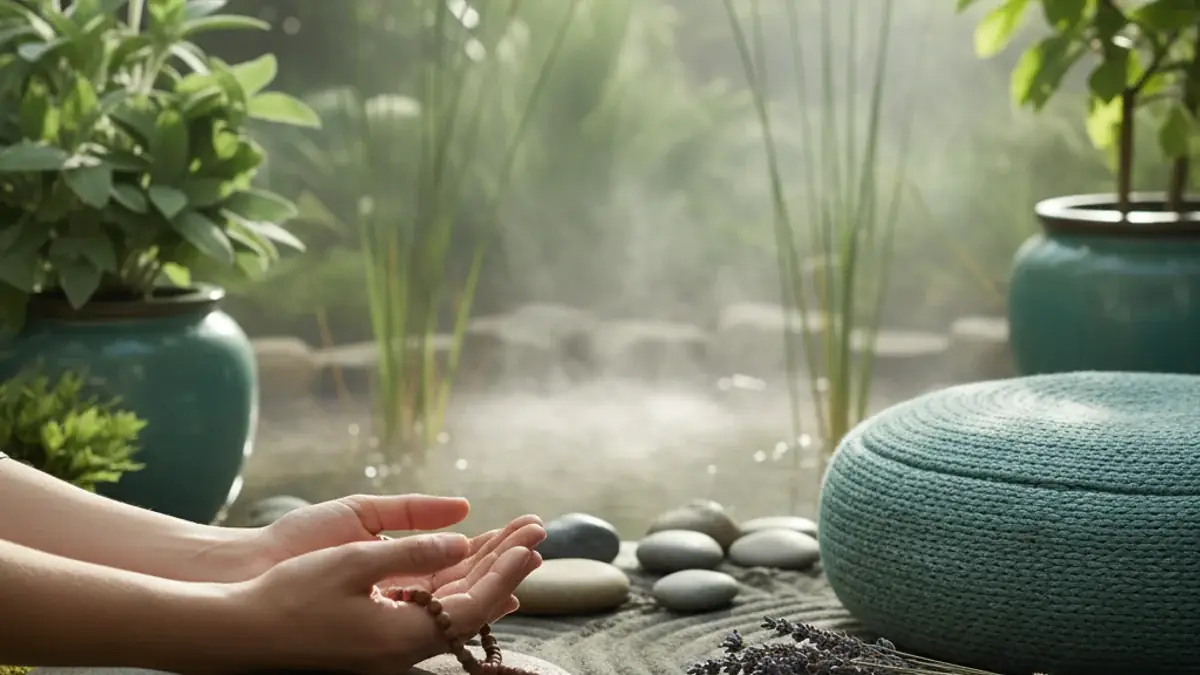
Discover the profound practice of mantra meditation, explored through an evidence-based framework. This guide, meticulously researched and reviewed by health experts, provides acti
Disclaimer: The information provided in this article is for educational and informational purposes only and does not constitute medical advice. Mantra meditation, while generally considered safe for healthy individuals, should not replace conventional medical care or be used to postpone seeing a healthcare provider for a medical problem. Consult a healthcare provider before starting any new meditation practice, especially if you have underlying health conditions, are taking medications, or have severe mental health conditions. Individual results may vary, and the effectiveness of mantra meditation can depend on consistency and personal circumstances. Claims about specific health benefits of mantra meditation should be viewed with caution, as much of the research is preliminary or of weak quality. If you experience distressing thoughts or emotions during meditation, seek guidance from a trained professional or discontinue the practice.
Last Updated: 25 April 2026
Reviewed by: Licensed Mental Health Professionals
Key Takeaways: Mantra Meditation
- Mantra meditation involves the repetition of a sound, word, or phrase, which can be performed silently or aloud.
- Research suggests mantra-based meditation may offer minimal to moderate beneficial effects on mental health, including reductions in anxiety, stress, depression, and improvements in mental health-related quality of life.
- It is generally considered safe for healthy individuals and can be a useful non-pharmacological strategy for fostering positive mental health.
- Benefits may include improved sleep quality, enhanced stress management, and potential assistance with long-term pain by increasing tolerance and improving well-being.
- Despite its growing popularity, the scientific evidence, while promising, often requires higher quality studies with long-term follow-up and diverse populations to strengthen the evidence base.
- Mantra meditation is not inherently religious and can be adapted for various personal and spiritual paths.
- Caution is advised for individuals with severe mental health conditions, a history of trauma, or those prone to dissociation; professional guidance is recommended in such cases.
- It is crucial to understand that meditation is not a quick fix and should complement, not replace, conventional medical care.
In an increasingly fast-paced world, many individuals are seeking effective strategies to cultivate inner calm, enhance focus, and improve overall well-being. Among the diverse array of contemplative practices, mantra meditation stands out as a time-honored technique gaining significant attention for its potential mental health benefits. This practice, rooted in ancient traditions, involves the repetition of a sound, word, or phrase to anchor attention and quiet the mind.
The National Center for Complementary and Integrative Health (NCCIH) classifies meditation as a psychological approach within complementary health approaches, reflecting its growing recognition in modern wellness (NCCIH, 2025). The popularity of meditation, including mantra-based practices, has surged, with the percentage of U.S. adults practicing meditation more than doubling between 2002 and 2022, from 7.5% to 17.3% (NCCIH, 2022).
This comprehensive guide explores mantra meditation through an evidence-based lens, detailing its mechanisms, documented benefits, practical application, and important safety considerations. Our aim is to provide a balanced perspective, informed by peer-reviewed research and expert consensus, for adults seeking a structured focus-based meditation technique.
Understanding Mantra Meditation: The Power of Repetition
Mantra meditation is a focused attention practice where the meditator repeatedly vocalizes or silently recites a specific sound, word, or phrase. This repetition serves as an anchor for the mind, helping to redirect attention away from distracting thoughts and cultivate a state of deep concentration and inner stillness. According to WebMD, mantra meditation involves the repetition of a sound, word, or phrase (WebMD, undated).
The term "mantra" originates from Sanskrit, with "man" meaning "mind" and "tra" meaning "tool" or "instrument." Thus, a mantra can be understood as a "tool for the mind." This practice can be performed silently, allowing for a deeply internal experience, or aloud, where the sound vibration itself becomes a focal point (Chicago Mind Solutions, 2023).
Historical Roots and Modern Adaptations
Mantra meditation has a rich history, with roots in various spiritual and religious traditions, including Hinduism, Buddhism, Sikhism, and Jainism. In these contexts, mantras often carry specific spiritual meanings and are believed to have transformative power. However, it is crucial to understand that while some forms of meditation are rooted in religious traditions, meditation itself is a practice for calming the mind and is not inherently religious (Muse headband, undated; Yoga Medicine, undated; Fisher College of Business, undated; Transcendental Meditation - Wikipedia, undated).
In contemporary practice, mantra meditation has been adapted for secular use, focusing on its psychological and physiological benefits rather than its spiritual origins. Modern practitioners may choose a mantra based on its sound, personal affirmation, or a simple, neutral sound, making the practice accessible to a wider audience regardless of their beliefs.
The Mechanism of Action: How Mantras Work
The effectiveness of mantra meditation is believed to stem from several interconnected mechanisms:
- Focused Attention: The repetitive nature of a mantra provides a consistent point of focus, which helps to train the mind to stay present. When the mind wanders, the mantra serves as a gentle anchor to return to.
- Reduced Mental Chatter: By engaging the mind with the mantra, the incessant stream of thoughts (often referred to as "monkey mind") tends to diminish. This reduction in cognitive load can lead to a sense of mental clarity and calm.
- Sound Vibration: When chanted aloud, the physical vibration of the sound can have a soothing effect on the nervous system. Even silent repetition can create an internal resonance that aids relaxation.
- Rhythmic Breathing: Often, mantra repetition is synchronized with the breath, which naturally slows and deepens, activating the parasympathetic nervous system responsible for the "rest and digest" response.
- Intention and Meaning: For those who choose a mantra with a specific meaning or intention (e.g., "peace," "love," "calm"), the repeated affirmation can subtly influence one's mindset and emotional state.
The Evidence Base: Documented Benefits of Mantra Meditation
Scientific research into mantra meditation, while still evolving, suggests a range of potential benefits for mental and physical well-being. It is important to note that while promising, the scientific evidence for the effectiveness and safety of mantra-based meditation is often weakened by the risk of study bias and the paucity of studies with psychiatric samples and long-term follow-up (Expert Consensus, undated).
Mental Health and Well-being
A systematic review from the University of Limerick in 2018 concluded that mantra meditation (MBM) may offer minimal to moderate beneficial effects on mental health in general populations. These benefits include reductions in anxiety, stress, depression, burnout, anger, and psychological distress (University of Limerick, 2018).
Further supporting these findings, a systematic review and meta-analysis published in 2022 (with initial research in April 2021) indicated that mantra-based meditation can lead to small-to-moderate reductions in anxiety, depression, stress, post-traumatic stress, and improvements in mental health-related quality of life (PMC, IDEAS/RePEc, PubMed, 2022; 2021).
"Mantra meditation can be a useful non-pharmacological strategy to foster positive mental health and alleviate negative affectivity in non-clinical populations."
Expert Consensus, undated
Meditation, in general, is recognized by the National Center for Complementary and Integrative Health (NCCIH) as a practice that may help manage stress, anxiety, and depression (NCCIH, 2022).
Improved Sleep Quality
Many individuals struggle with sleep disturbances, and meditation practices, including those involving mantras, have shown promise in this area. The NCCIH notes that meditation practices may help reduce insomnia and improve sleep quality (NCCIH, 2022).
By calming the mind and reducing the mental chatter that often precedes sleep, mantra meditation can create a more conducive state for falling asleep and experiencing deeper, more restorative rest. Regular practice can help regulate the body's natural sleep-wake cycles.
Pain Management
Chronic pain can significantly impact quality of life, and complementary approaches are often sought to manage symptoms. The U.S. Department of Veterans Affairs (VA.gov) highlights that meditation can be useful for managing stress, anxiety, and depression, and may help people with long-term pain by making it feel less intense, increasing pain tolerance, and improving overall well-being (VA.gov, 2026).
Mantra meditation may assist in pain management by shifting the focus away from the sensation of pain, cultivating a sense of detachment, and promoting relaxation, which can reduce muscle tension and the psychological distress associated with chronic pain.
General Safety and Growing Adoption
Meditation, including mantra-based practices, is generally considered safe for healthy individuals (NCCIH, 2022). Its non-invasive nature and accessibility make it an attractive option for many seeking to enhance their well-being.
The increasing adoption of meditation practices underscores its perceived value. The following table illustrates the significant growth in meditation practice among U.S. adults:
| Year | Percentage of U.S. Adults | Source |
|---|---|---|
| 2002 | 7.5% | NCCIH, 2022 |
| 2022 | 17.3% | NCCIH, 2022 |
This data, from the National Center for Complementary and Integrative Health, indicates a more than doubling of meditation practitioners over two decades (NCCIH, 2022).
Choosing and Using a Mantra
The effectiveness of mantra meditation often begins with the selection of a mantra that resonates with the individual. There are various types of mantras, each with its own characteristics and potential applications.
Types of Mantras
- Seed Mantras (Bija Mantras): These are short, potent sounds, often from Sanskrit, believed to carry specific energetic vibrations. "Om" (or Aum) is perhaps the most universally recognized seed mantra, often associated with the primordial sound of the universe. Their power is often considered to lie in their sound vibration rather than a literal translation.
- Affirmation Mantras: These are positive, self-affirming phrases in one's native language, such as "I am calm," "I am peaceful," "I am strong," or "I am worthy." They are chosen for their direct meaning and ability to cultivate a desired mindset or emotional state.
- Devotional Mantras: Rooted in specific spiritual traditions, these mantras often invoke divine names or qualities. While deeply meaningful for practitioners of those traditions, they may not be suitable for those seeking a secular practice.
- Universal Sounds: Simple, neutral sounds or syllables that do not carry specific religious or cultural connotations, such as "so hum" (meaning "I am that") or even a simple "one." These are excellent for those seeking a purely secular focus.
How to Choose Your Mantra
The best mantra is one that feels right for you. Consider the following when making your choice:
- Intention: What do you hope to cultivate or achieve through your practice? If it's peace, a mantra like "Shanti" (Sanskrit for peace) or "I am peace" might be appropriate.
- Resonance: Does the sound or meaning of the mantra resonate with you? Try saying a few options aloud or silently to see how they feel.
- Simplicity: Especially for beginners, a short, easy-to-remember mantra is often most effective.
- Neutrality: If you prefer a secular approach, choose a mantra without religious connotations.
It is a common misconception that you must know Sanskrit to use mantras. The truth is, the power of a mantra lies in its sound vibration and your intention, not in your fluency in Sanskrit (Art of Living, undated).
Practical Guide to Mantra Meditation
Beginning a mantra meditation practice is straightforward and requires minimal equipment. Consistency is often more important than duration, especially when starting out.
Setting the Stage
- Environment: Find a quiet space where you are unlikely to be disturbed. Dim lighting or natural light can be conducive to relaxation.
- Posture: Sit in a comfortable position, either on a cushion on the floor with legs crossed, or on a chair with your feet flat on the ground. The key is to maintain an upright, alert, yet relaxed posture. Your spine should be straight but not rigid. It is a myth that meditation requires maintaining one physical position, such as sitting cross-legged; it can be done in various positions, including walking, exercising, sitting in a chair, standing, or lying down (Muse headband, undated; Fisher College of Business, undated; Chicago Mind Solutions, 2023).
- Time: Choose a consistent time each day, such as first thing in the morning or before bed. Even a few minutes of repeating a mantra can calm the mind and shift energy; starting with 10 to 20 minutes a day can make a noticeable difference (Art of Living, undated; Fisher College of Business, undated; DharmiCalm, undated).
The Practice
- Close Your Eyes (Optional): Gently close your eyes or soften your gaze downwards. This helps to minimize external distractions and turn your attention inward.
- Take a Few Deep Breaths: Begin by taking a few slow, deep breaths, inhaling through your nose and exhaling through your mouth. Allow your body to relax with each exhale.
- Introduce Your Mantra: Begin to repeat your chosen mantra. You can say it aloud, whisper it, or repeat it silently in your mind. Experiment to see which method feels most natural and effective for you.
- Focus on the Mantra: Direct your attention to the sound, vibration, or meaning of the mantra. Allow it to fill your awareness.
- Mind Wandering: It is entirely normal for your mind to wander during meditation; having thoughts is not a sign of failure. The key is not to eliminate thoughts but to observe them without judgment. When you notice your mind has drifted, gently guide your attention back to your mantra (Yoga Medicine, undated; DharmiCalm, undated).
- Duration: Start with 5-10 minutes and gradually increase the duration as you become more comfortable, aiming for 15-20 minutes or longer if desired.
- Ending the Practice: When you are ready to conclude, slowly allow the mantra to fade. Sit in silence for a minute or two, observing any sensations or feelings. Gently open your eyes and gradually return to your surroundings.
Integrating Mantra Meditation into Daily Life
The benefits of mantra meditation extend beyond the formal practice session. You can integrate the essence of mantra into your daily life:
- Mindful Moments: Use your mantra during mundane activities like walking, washing dishes, or waiting in line.
- Stressful Situations: When feeling overwhelmed, take a few deep breaths and silently repeat your mantra to regain composure.
- Bedtime Routine: Repeating a calming mantra before sleep can aid relaxation and improve sleep quality.
Debunking Common Misconceptions About Mantra Meditation
Despite its growing popularity, several myths and misconceptions about meditation, including mantra practices, persist. Addressing these can help clarify the practice and make it more accessible.
Myth 1: You must know Sanskrit to use mantras.
Truth: The power of a mantra lies in its sound vibration and your intention, not in your fluency in Sanskrit. Many effective mantras are simple sounds or affirmations in your native language (Art of Living, undated).
Myth 2: Mantra meditation takes too much time.
Truth: Even a few minutes of repeating a mantra can calm the mind and shift energy. Starting with 10 to 20 minutes a day can make a noticeable difference, and shorter practices can still be beneficial (Art of Living, undated; Fisher College of Business, undated; DharmiCalm, undated).
Myth 3: Mantras are about escaping reality.
Truth: Mantra meditation helps you become more present and engaged with life by quieting mental chatter and sharpening awareness. This allows you to meet challenges with greater clarity and resilience, rather than escaping them (Art of Living, undated).
Myth 4: Meditation requires maintaining one physical position, such as sitting cross-legged.
Truth: Meditation can be done in various positions, including walking, exercising, sitting in a chair, standing, or lying down. The most important aspect is comfort and an alert posture (Muse headband, undated; Fisher College of Business, undated; Chicago Mind Solutions, 2023).
Myth 5: Meditation is religious.
Truth: While some forms of meditation are rooted in religious traditions, meditation itself is a practice for calming the mind and is not inherently religious. Many religious customs include meditative practices that are not linked with one tradition exclusively (Muse headband, undated; Yoga Medicine, undated; Fisher College of Business, undated; Transcendental Meditation - Wikipedia, undated).
Myth 6: Meditation needs to be quiet.
Truth: Meditation can incorporate sound, music, or chanting, and ambient noise does not significantly impede its effectiveness. Some practitioners find ambient sounds can enhance the experience (Fisher College of Business, undated; DharmiCalm, undated).
Myth 7: You need an empty mind for mantra to work / You have too many thoughts when you meditate.
Truth: Having thoughts during meditation is entirely normal. The key is not to eliminate thoughts but to observe them without judgment and gently return your focus to the mantra (Yoga Medicine, undated; DharmiCalm, undated).
Myth 8: Meditation is a quick fix for all problems.
Truth: While meditation can provide immediate relief from stress and anxiety, its benefits often accumulate over time, requiring consistent practice and dedication. It is a tool for long-term well-being, not an instant solution (DharmiCalm, undated).
Safety, Risks, and Important Considerations
Important Safety Warnings for Mantra Meditation
Meditation is generally safe, but certain situations or conditions may require caution, modifications, or professional guidance. It is crucial to consult a healthcare provider before starting any new meditation practice, especially if you have underlying health conditions or are taking medications.
- Severe Mental Health Conditions: Individuals with severe mental health conditions, such as severe anxiety, clinical depression, post-traumatic stress disorder (PTSD), psychosis, or schizophrenia, may find that meditation can initially bring up distressing thoughts or emotions. Guided practices with a trained professional are recommended, and meditation may not be suitable during acute episodes of psychosis or schizophrenia without professional supervision.
- History of Trauma: Meditation can trigger unresolved memories or emotions in those with a history of trauma; trauma-sensitive meditation techniques are advised.
- Prone to Dissociation: People prone to dissociation may feel disconnected or detached during certain meditation practices; grounding techniques and guided sessions can help maintain a sense of presence.
- Physical Discomfort: Meditating in an uncomfortable posture or during chronic pain episodes can be counterproductive; adjust posture or duration to avoid physical discomfort.
- Medication Interactions: Medications for anxiety, depression, or other mental health conditions may alter emotional responses to meditation. Consult a healthcare provider to ensure safe practice.
- Intensive Practice Risks: Intensive or long-term meditation practice (many hours per day) has been associated with more severe adverse events, including the onset of psychosis and mania.
- Rare Adverse Events: Adverse events, though rare in typical meditation programs, can include anxiety, depression, cognitive anomalies, psychotic or delusional symptoms, dissociation or depersonalization, fear, stress, physical tension, pain, gastrointestinal issues, and memory impairment.
- Not a Replacement for Medical Care: Do not use meditation to replace conventional medical care or as a reason to postpone seeing a healthcare provider about a medical problem.
- Emotional Amplification: It is typically better to refrain from chanting a mantra when angry, as it can amplify emotions.
While mantra meditation is widely accessible and generally safe for healthy individuals (NCCIH, 2022), it is not without potential risks, particularly for vulnerable populations or when practiced inappropriately. A balanced approach involves understanding these considerations and seeking professional guidance when necessary.
The expert consensus highlights that while meditation is generally considered safe for healthy people, further studies of higher quality that incorporate cost-effectiveness analyses are warranted to strengthen the evidence base for mantra meditation (Expert Consensus, undated).
Regulatory Landscape and Health Claims
In the realm of health and wellness, particularly concerning complementary health approaches like meditation, regulatory bodies play a crucial role in ensuring consumer safety and preventing misleading claims.
United States Regulations
- FDA Regulation of CAM Products: The U.S. Food and Drug Administration (FDA) regulates Complementary and Alternative Medicine (CAM) products based on their intended use, categorizing them under various legal definitions such as drugs, devices, foods, or dietary supplements. The FDA issues 'Guidance for Industry: Complementary and Alternative Medicine Products and Their Regulation by the Food and Drug Administration' to clarify regulatory oversight (FDA, 2007). While mantra meditation itself is a practice and not a "product" in the traditional sense, any products marketed alongside it (e.g., supplements, devices claiming to enhance meditation) would fall under FDA scrutiny.
- FDA Health Claims: Health claims made on food and dietary supplement labels must undergo review by the FDA. Authorized health claims require 'significant scientific agreement' among qualified experts, based on the totality of publicly available scientific evidence, to be approved. Qualified health claims are supported by some scientific evidence but require disclaimers to accurately communicate the level of scientific support (FDA, 2017; 2024; 2022). This framework underscores the importance of evidence-based communication for any health-related claims, including those related to meditation benefits. The FDA also announced a final rule on December 19, 2024, to update the 'healthy' claim manufacturers can voluntarily use on food packages, aligning it with current nutrition science and federal dietary guidance, which is relevant for general health claims on products (FDA, 2024).
- Religious Accommodation (EEOC): Title VII of the Civil Rights Act, enforced by the Equal Employment Opportunity Commission (EEOC), states that employers cannot require employees to practice a religion or adopt spiritual beliefs, including participation in practices like chanting or meditation, if it conflicts with their religious beliefs. Employers are required to accommodate an employee's religious beliefs and practices, as long as doing so would not create an undue hardship (EEOC, undated). This is important for understanding the non-religious nature of secular meditation practices.
United Kingdom Regulations
In the United Kingdom, the regulation of Complementary and Alternative Medicine (CAM) therapies varies. Some professions, such as osteopathy and chiropractic, have statutory regulation. Other therapies like acupuncture and herbal medicine are moving towards statutory regulation, but many CAM practitioners remain largely unregulated (United Kingdom health and social care regulators, undated). This highlights the diverse regulatory approaches across different regions for complementary health practices.
Classification by NCCIH
The National Center for Complementary and Integrative Health (NCCIH) now classifies complementary approaches by their primary therapeutic input. What were previously referred to as 'mind and body practices' are now categorized as psychological, physical, or combined psychological-physical approaches, with meditation falling under 'psychological approaches' (NCCIH, undated).
Integrating Mantra Meditation into a Holistic Wellness Plan
Mantra meditation is a powerful tool, but it is most effective when viewed as one component of a broader, holistic approach to well-being. It complements other healthy lifestyle choices and professional support.
- Balanced Lifestyle: Combine your meditation practice with a nutritious diet, regular physical activity, adequate sleep, and strong social connections.
- Professional Support: For individuals experiencing significant mental health challenges, meditation should be used in conjunction with, and not as a replacement for, professional therapy or medical treatment. A licensed mental health professional can help integrate meditation into a comprehensive treatment plan.
- Mindful Living: Extend the principles of mindfulness and focused attention learned through mantra meditation into all aspects of your daily life, fostering greater presence and resilience.
The journey with mantra meditation is personal and unfolds over time. While meditation can provide immediate relief from stress and anxiety, its benefits often accumulate over time, requiring consistent practice and dedication (DharmiCalm, undated). Patience, self-compassion, and a commitment to regular practice are key to unlocking its full potential.
Frequently Asked Questions (FAQ)
Q1: Is mantra meditation religious?
A: While mantra meditation has roots in various spiritual and religious traditions, the practice itself is not inherently religious. Many modern adaptations are secular, focusing on the psychological and physiological benefits of focused attention and repetition. You can choose a mantra that is neutral, an affirmation, or a universal sound, independent of any religious belief (Muse headband, undated; Yoga Medicine, undated; Fisher College of Business, undated; Transcendental Meditation - Wikipedia, undated).
Q2: How long should I practice mantra meditation each day?
A: For beginners, starting with 5-10 minutes a day is often recommended. As you become more comfortable, you can gradually increase the duration to 15-20 minutes or longer. Consistency is more important than duration; even a few minutes of daily practice can yield benefits (Art of Living, undated; Fisher College of Business, undated; DharmiCalm, undated).
Q3: What if my mind keeps wandering during mantra meditation?
A: It is entirely normal for the mind to wander during meditation. The goal is not to eliminate thoughts but to observe them without judgment. When you notice your mind has drifted, gently guide your attention back to your mantra. This act of returning to the mantra is a key part of the practice and strengthens your ability to focus (Yoga Medicine, undated; DharmiCalm, undated).
Q4: Can I make up my own mantra?
A: Yes, absolutely. Many people choose personal affirmations or positive phrases in their native language as mantras. The most effective mantra is one that resonates with you and supports your intention for the practice. Examples include "I am calm," "Peace begins with me," or "I am grateful."
Q5: Is mantra meditation safe for everyone?
A: Mantra meditation is generally considered safe for healthy individuals. However, caution is advised for those with severe mental health conditions (e.g., psychosis, severe depression, PTSD), a history of trauma, or those prone to dissociation. In such cases, it is crucial to consult a healthcare provider or a trained meditation professional for guidance, and meditation should not replace conventional medical care (NCCIH, 2022; Warnings, undated).
Q6: How quickly will I see results from mantra meditation?
A: While some individuals may experience immediate relief from stress or anxiety after a single session, the deeper and more lasting benefits of mantra meditation typically accumulate over time with consistent practice. It is not a quick fix but a gradual process of cultivating mental clarity, emotional regulation, and overall well-being. Patience and dedication are key (DharmiCalm, undated).
Sources & References
- University of Limerick. (2018, September 19; October 15). Mantra Meditation for Mental Health in the General Population: A Systematic Review.
- PMC, IDEAS/RePEc, PubMed. (2022, March 13; 2021, April). Effectiveness of Mantra-Based Meditation on Mental Health: A Systematic Review and Meta-Analysis.
- National Center for Complementary and Integrative Health (NCCIH) - National Institutes of Health (NIH). (2022, June 03). Meditation and Mindfulness: Effectiveness and Safety.
- National Center for Complementary and Integrative Health (NCCIH) - National Institutes of Health (NIH). (2025, April 15). Mind and Body Practices.
- U.S. Department of Veterans Affairs (VA.gov). (2026, January 18). Meditation - Whole Health.
- WebMD. (Undated). Mantra Meditation - Uses, Side Effects, and More.
- Chicago Mind Solutions. (2023, March 26). Mantra Meditation: What You Need to Know.
- U.S. Food and Drug Administration (FDA). (2007, March 02). Guidance for Industry: Complementary and Alternative Medicine Products and Their Regulation by the Food and Drug Administration.
- U.S. Food and Drug Administration (FDA). (2017, December 13; 2024, March 28; 2022, May 24). Health Claims on Food and Dietary Supplement Labels.
- Equal Employment Opportunity Commission (EEOC) / Title VII of the Civil Rights Act. (Undated). Religious Accommodation.
- United Kingdom health and social care regulators. (Undated). Regulation of CAM Therapies.
- Art of Living. (Undated). The Role of Mantra in Deepening Meditation: Techniques & Benefits.
- Fisher College of Business, Lead Read Today. (Undated). Common Misconceptions About Meditation.
- DharmiCalm. (Undated). Debunking 5 Common Meditation Myths.
- Muse headband. (Undated). Common Meditation Myths and Misconceptions.
- Yoga Medicine. (Undated). 161: Mantra Myths & Misconceptions.
- Transcendental Meditation - Wikipedia. (Undated). Transcendental Meditation.
About the Author
This article was created by the CalmHealthyMind Editorial Team. Our content is reviewed by licensed mental health professionals to ensure accuracy and adherence to the highest standards of evidence-based practice. CalmHealthyMind is an evidence-based mental wellness platform featuring a 28-week science-backed happiness program. Our work is informed by peer-reviewed research in contemplative neuroscience, aligning with the guidelines and principles set forth by leading regulatory bodies such as the American Psychological Association (APA) and the National Institute of Mental Health (NIMH).
Disclaimer: The information provided in this article is for educational and informational purposes only and does not constitute medical advice. Mantra meditation, while generally considered safe for healthy individuals, should not replace conventional medical care or be used to postpone seeing a healthcare provider for a medical problem. Consult a healthcare provider before starting any new meditation practice, especially if you have underlying health conditions, are taking medications, or have severe mental health conditions. Individual results may vary, and the effectiveness of mantra meditation can depend on consistency and personal circumstances. Claims about specific health benefits of mantra meditation should be viewed with caution, as much of the research is preliminary or of weak quality. If you experience distressing thoughts or emotions during meditation, seek guidance from a trained professional or discontinue the practice.
Related reading
- Guided Meditation for Beginners: A Step-by-Step Science-Backed Introduction to Your First 30 Days
- Mindfulness & Meditation: The Science-Backed Guide to a Practice That Works
- Master 5-Minute Meditation: Science-Backed Micro-Practice for Busy Adults
- Body Scan Meditation: A Step-by-Step Guide to Relieve Tension and Improve Sleep
- Mindfulness for Anxiety: Evidence-Based Techniques That Reduce Worry & Stress
- Walking Meditation: A Beginner-Friendly, Science-Backed Path to Mindfulness in Motion
Stay Updated
Get the latest articles on happiness and wellness delivered to your inbox.
No spam, unsubscribe anytime.
Related Articles
transcendental meditation — Evidence-Based Guide
A research-backed exploration of transcendental meditation based on 41+ peer-reviewed studies.
breathing exercises — Evidence-Based Guide
A research-backed exploration of breathing exercises based on 41+ peer-reviewed studies.
deep breathing for anxiety — Evidence-Based Guide
A research-backed exploration of deep breathing for anxiety based on 41+ peer-reviewed studies.
Walking Meditation: A Beginner-Friendly, Science-Backed Path to Mindfulness in Motion
Explore the proven benefits of walking meditation for stress reduction and enhanced mindfulness. This evidence-based guide, crafted by certified experts, provides beginner-friendly
Nervous System Regulation: A Simple Guide to Polyvagal Theory
Effective nervous system regulation is key to managing stress and enhancing wellbeing. This guide simplifies Polyvagal Theory to offer practical, science-backed techniques.
Finding Your Purpose in Life: The Ultimate Research-Based Guide
Struggling with finding purpose in life? This research-based guide explores the psychology of meaning, from Viktor Frankl to modern science, offering practical steps to uncover your unique path.